.png)



El nuevo liderazgo: menos piramidal, más horizontal
The New Leadership: Less Hierarchical, More Horizontal

Por Mario J. Paredes
Asistimos al surgimiento de un nuevo y poderoso liderazgo, de hombres y de mujeres jóvenes que, dirigiendo grandes empresas de tecnología y telecomunicaciones, van convirtiendo en vetustas otras formas y otros tipos de liderazgo hasta aquí conocidos y aceptados. Lo mismo podríamos decir de líderes políticos jóvenes que van abriendo brecha a nuevas formas de entender el ejercicio del liderazgo.
We are witnessing the rise of a new and powerful form of leadership, driven by young men and women who, while leading major technology and telecommunications companies, are rendering outdated other forms and styles of leadership previously known and accepted. The same can be said of young political leaders who are breaking new ground and introducing new ways of understanding leadership.
Se trata de un nuevo liderazgo menos piramidal y más horizontal, en el que se prioriza la meritocracia y la disrupción sobre formas anquilosadas de jerarquías. En la política, también asistimos a nuevas formas que pretenden mayor conexión con los clamores mayoritarios, mediante la interacción más directa.
This is a new kind of leadership—less hierarchical and more horizontal—in which meritocracy and disruption are prioritized over outdated hierarchical structures. In politics, we also see new approaches that seek greater connection with the majority’s demands through more direct interaction.

Todo lo cual significa que el liderazgo actual se construye y evalúa por la capacidad de navegar en ecosistemas inéditos y complejos y por la habilidad de inspirar confianza en medio de la información abrumadora y de cambios permanentes y rápidos.
All of this means that contemporary leadership is built and assessed based on the ability to navigate unprecedented and complex ecosystems, and the capacity to inspire trust amid overwhelming information and constant, rapid change.
Hay rasgos conocidos del líder auténtico que perduran, tales como la capacidad de influir, motivar y guiar a un grupo de personas hacia el logro de un objetivo común. La habilidad para no solo enfocarse en las metas, sino en la preocupación por el desarrollo y bienestar de quienes lo siguen, para establecer ambientes de trabajo positivos y colaborativos.
There are well-known traits of authentic leadership that endure, such as the ability to influence, motivate, and guide a group of people toward achieving a common goal. The ability not only to focus on objectives, but to be concerned with the development and well-being of those who follow, in order to create positive and collaborative work environments.
Pero este rol puede, fácilmente, conducir al síndrome de burnout, tanto en el líder como en todo el equipo. Porque un liderazgo irresponsable, negativo, ineficaz puede fácilmente llevar al agotamiento personal y organizacional, y al padecimiento de enfermedades físicas y mentales, además del alto costo y pérdidas en producción y aspectos financieros.
But this role can easily lead to burnout syndrome, both in the leader and the entire team. Irresponsible, negative, and ineffective leadership can quickly result in personal and organizational exhaustion, and the onset of physical and mental health problems, in addition to the high financial costs and loss of productivity.
Y aunque proporcionar estadísticas sobre la afectación por burnout en el liderazgo es complejo, aquí van unos ejemplos: un 40% de los líderes estresados están considerando renunciar a sus funciones para priorizar su bienestar; más del 50% de los líderes empresariales buscan nuevos empleos debido al estrés; cerca de 8 de cada 10 empleados experimentan burnout en el trabajo; el 48% de los trabajadores en EEUU están buscando activamente otras opciones de empleo, debido al estrés laboral; y los problemas de salud mental le cuestan a la economía mundial alrededor de $1 billón de dólares en pérdida de productividad anualmente.
And while providing precise statistics on burnout among leaders is complex, here are a few examples: 40% of stressed leaders are considering resigning from their roles to prioritize their well-being; more than 50% of business leaders are seeking new jobs due to stress; nearly 8 out of 10 employees experience burnout at work; 48% of workers in the United States are actively seeking other job opportunities due to work-related stress; and mental health problems cost the global economy around $1 trillion annually in lost productivity.

Entonces, ¿cómo liderar, de manera sostenible, sin desgastarse? ¿Cómo liderar, de manera consciente y priorizando el bienestar integral del líder y del equipo? ¿Cómo liderar cuidando la salud y la estabilidad emocional manteniendo un entorno de trabajo productivo y saludable?
So, how can one lead sustainably without burning out? How can one lead consciously, prioritizing the comprehensive well-being of both the leader and the team? How can one lead while protecting health and emotional stability, and maintaining a productive and healthy work environment?
El primer paso consiste en reconocer las propias señales de estrés y fatiga. Es crucial establecer límites claros entre la vida laboral y la personal, desconectarse del trabajo fuera de horario y dedicar tiempo a actividades que recarguen la energía.
The first step is to recognize the signs of stress and fatigue. It is crucial to establish clear boundaries between work and personal life, disconnect from work outside of business hours, and dedicate time to activities that recharge energy.
Un líder efectivo confía en su equipo, delega responsabilidades, empodera a sus colaboradores y desarrolla la capacidad de resiliencia en la adversidad. Esto se logra a través de la formación en inteligencia emocional, el manejo del estrés y la búsqueda de apoyo profesional.
An effective leader trusts their team, delegates responsibilities, empowers collaborators, and develops resilience in the face of adversity. This is achieved through emotional intelligence training, stress management, and seeking professional support.
Promover la desconexión digital y respetar los tiempos de descanso de los empleados son prácticas que un líder debe respetar y dirigir. Reconocer el esfuerzo y los logros del equipo, ofrecer retroalimentación constructiva y crear un espacio seguro, donde los miembros puedan expresarse sin temor, son acciones que fortalecen la moral y reducen el estrés.
Promoting digital disconnection and respecting employees’ rest time are practices a leader must uphold and model. Recognizing effort and achievements, offering constructive feedback, and creating a safe space where team members can express themselves without fear are actions that strengthen morale and reduce stress.
Evitar el “micromanagement” (supervisar cada pequeño detalle) demuestra confianza en las habilidades del equipo y permite trabajar de forma más eficiente y con mayor sentido de propósito.
Avoiding micromanagement (overseeing every small detail) demonstrates trust in the team’s abilities and allows for more efficient, purpose-driven work.
Urge pasar de un modelo de “sacrificio” a uno de “autocuidado” y “gestión inteligente”. El autocuidado no es un lujo, es una competencia de liderazgo esencial. Esto incluye saber decir “no” a tareas que no son prioritarias y desconectarse del trabajo fuera del horario laboral.
It is imperative to move from a model of “sacrifice” to one of “self-care” and “intelligent management.” Self-care is not a luxury; it is an essential leadership competency. This includes knowing how to say “no” to tasks that are not a priority and disconnecting from work outside of business hours.
La propuesta actual de nuevos protagonistas y formas de liderazgo exige una nueva visión, personal e institucional, según la cual el descanso se considere un derecho humano.
The current proposal of new leadership actors and models demands a new personal and institutional vision in which rest is considered a human right.
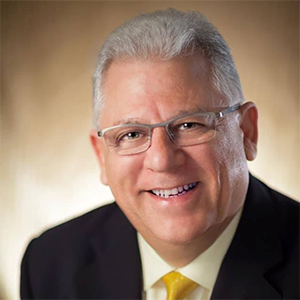
* Mario J. Paredes es empresario y filántropo, presidente de Somos Community Care y miembro de Vacation is a Human Right Foundation (VIAHR).
Mario J. Paredes is an entrepreneur and philanthropist, president of Somos Community Care and member of the Vacation is a Human Right Foundation (VIAHR).


Comments