.png)




Petróleo Bajo Fuego: La Crisis Energética en Medio Oriente
- Red Latina Communications, Inc

- Mar 24
- 3 min read
Oil Under Fire: The Middle East Energy Crisis

Por Diane Francis
Fotos:
Sheikhs survey oil tankers in Oman on the Persian Gulf
Hormuz: the ultimate chokepoint
El conflicto militar en el Medio Oriente, la región más volátil del mundo, no terminará pronto. Aunque Trump asegura que su acción militar contra Irán fue un triunfo, la realidad es distinta. La verdadera “guerra del petróleo” recién comienza, ya que Irán ha bloqueado el tránsito por el estrecho de Ormuz, vital para el suministro global. Algunos expertos advierten que el precio del barril podría llegar a $200 este año, ya que actualmente supera los $100, lo que hace probable una recesión mundial. Por ahora, Irán mantiene la ventaja al controlar este paso estratégico.
The military conflict in the Middle East, the world’s most volatile region, is far from over. While Trump claims his military action against Iran was a triumph, the reality is different. The real “oil war” is just beginning, as Iran has blocked transit through the vital Strait of Hormuz. Some experts warn oil prices could reach $200 per barrel this year, with current prices over $100, making a global recession likely. For now, Iran holds the advantage by controlling this strategic chokepoint.
Irán merece ser criticado por abusos internos y apoyo al terrorismo regional, pero cualquier estratega con conocimientos básicos de economía y petróleo habría previsto que bloquear Ormuz sería desastroso. Hoy, el estrecho está prácticamente cerrado, y el flujo de petróleo ha caído de 20 a 6 millones de barriles diarios debido a ataques y minas iraníes, impulsando precios globales a niveles estratosféricos.
Iran deserves criticism for internal abuses and support of regional terrorism, but any strategist with basic knowledge of economics and oil would have predicted that blocking Hormuz would be disastrous. Today, the strait is virtually closed, and oil flows have dropped from 20 to 6 million barrels per day due to Iranian attacks and mines, driving global prices to stratospheric levels.

Ormuz es el eje económico y energético de Medio Oriente y esencial para Europa, China y la economía mundial. Sin embargo, EE. UU. e Israel no aseguraron el estrecho antes de iniciar la guerra. Además, no previeron que Irán atacaría a sus vecinos productores de petróleo, elevando aún más los precios. Esta falta de previsión estratégica ha permitido que Teherán imponga un chantaje energético global.
Hormuz is the economic and energy lifeline of the Middle East, crucial for Europe, China, and the global economy. Yet the U.S. and Israel did not secure the strait before starting the war. They also failed to anticipate Iran would strike neighboring oil producers, further driving up prices. This strategic oversight has allowed Tehran to impose a global energy blackmail.
La guerra afecta a todos. Los intentos de liberar reservas estratégicas o permitir temporalmente el petróleo ruso apenas han reducido los precios. China, que depende de Irán para la mitad de su petróleo, busca alternativas más caras mientras mantiene una postura diplomática cautelosa. Incluso los aliados internacionales dudan en intervenir directamente para proteger Ormuz.
The war affects everyone. Attempts to release strategic reserves or temporarily allow Russian oil exports have barely reduced prices. China, which relies on Iran for half of its oil, seeks costlier alternatives while maintaining a cautious diplomatic stance. Even international allies hesitate to intervene directly to secure Hormuz.
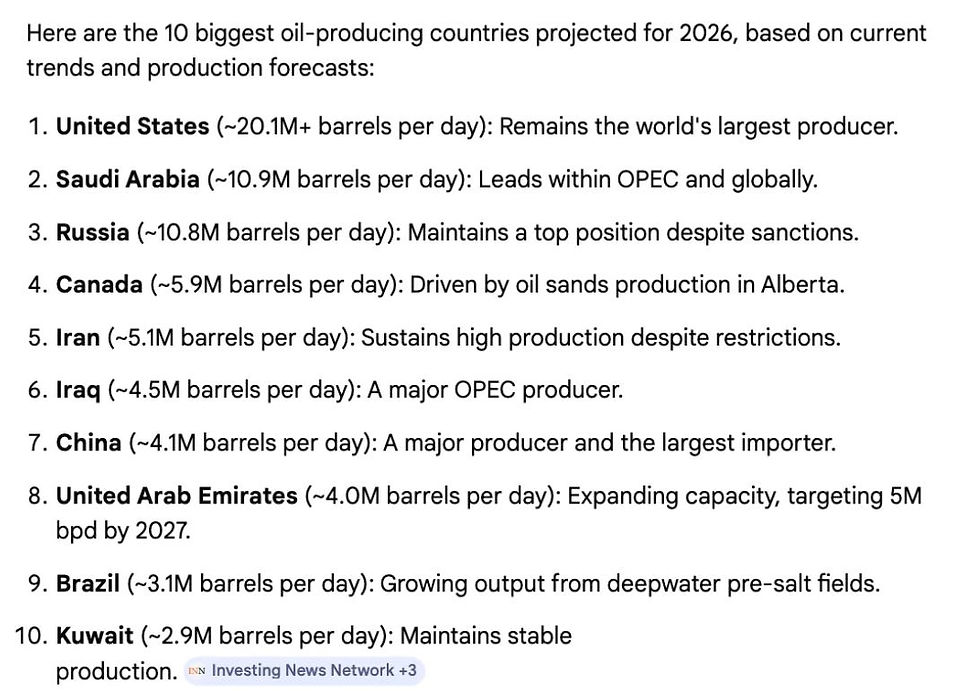
El resultado es que, aunque Trump haya degradado fuerzas militares iraníes, Estados Unidos pierde la “guerra del petróleo”. Los precios altos benefician a algunos actores como Rusia y grandes petroleras, pero afectan gravemente a consumidores y economías. La consecuencia: inflación, aumento del costo de vida y recesión en varios países. La única solución real sería terminar el conflicto o retomar el control del estrecho.
The result is that, even though Trump has degraded Iranian military forces, the United States is losing the “oil war.” High prices benefit some players like Russia and major oil companies, but they severely impact consumers and economies. The consequences include inflation, rising living costs, and recession in multiple countries. The only real solution is to end the conflict or regain control of the strait.


Comments