.png)




Un paso enorme hacia un futuro sin artrosis

A huge step towards a future without osteoarthritis

POR DR. LUIS MONTEL
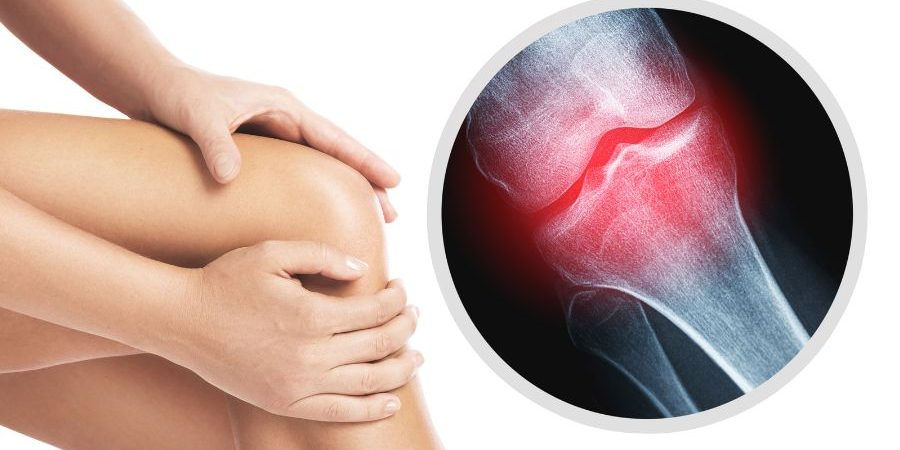
La artrosis es una de las enfermedades más comunes al envejecer. Muchos la describen como “desgaste”, pero en realidad es algo más complejo: la articulación se inflama, duele, se vuelve rígida y poco a poco el cartílago —esa capa que evita que los huesos rocen entre sí— empieza a desaparecer.
Osteoarthritis is one of the most common age-related diseases. Many describe it as "wear and tear," but it's actually more complex: the joint becomes inflamed, painful, stiff, and little by little the cartilage—that layer that prevents bones from rubbing against each other—begins to disappear.
Durante años, los médicos sabían qué pasaba, pero no por qué el cuerpo empezaba a destruir su propio cartílago. Ahora, un descubrimiento científico podría cambiar el futuro de esta enfermedad.
For years, doctors knew what was happening, but not why the body began to destroy its own cartilage. Now, a scientific discovery could change the future of this disease.
La artrosis no es solo desgaste: es una inflamación que se descontrola. Dentro de nuestras articulaciones hay células que se encargan de defendernos. Cuando todo va bien, ayudan a reparar pequeños daños, pero, en la artrosis, estas células se “confunden” y empiezan a liberar sustancias inflamatorias que dañan la articulación en lugar de protegerla.
Osteoarthritis is not just wear and tear: it's an uncontrolled inflammation. Inside our joints are cells that are responsible for defending us. When everything is working properly, they help repair minor damage, but in osteoarthritis, these cells become "confused" and begin to release inflammatory substances that damage the joint instead of protecting it.
Por eso aparecen dolores, rigidez, inflamación y pérdida de movilidad. Con el tiempo, el cartílago se va gastando hasta desaparecer.
That's why pain, stiffness, inflammation, and loss of mobility appear. Over time, the cartilage wears away until it disappears.
Investigadores de la Universidad de Stanford descubrieron que en las articulaciones con artrosis se acumula una proteína llamada 15‑PGDH. Esta actúa como un “interruptor” que aumenta la inflamación, impide que el cartílago se repare y acelera la destrucción de la articulación.
Researchers at Stanford University discovered that a protein called 15-PGDH accumulates in joints affected by osteoarthritis. This protein acts as a "switch" that increases inflammation, prevents cartilage repair, and accelerates joint destruction.
Es decir, es una de las responsables de que la artrosis avance. Lo sorprendente es que bloquearla hace que el cartílago vuelva a crecer. El equipo probó un medicamento experimental que bloquea la 15‑PGDH y el cartílago se regeneró en ratones con artrosis.
In other words, it's one of the factors responsible for the progression of osteoarthritis. The surprising thing is that blocking it allows cartilage to regrow. The team tested an experimental drug that blocks 15-PGDH, and cartilage regenerated in mice with osteoarthritis.

Y lo más impresionante: también funcionó en cartílagos humanos obtenidos de pacientes operados de rodilla. Esto no es solo frenar la enfermedad. Es revertirla. ¿Significa que ya existe la cura? Todavía no. Faltan estudios en personas, pruebas de seguridad y tiempo para confirmar los resultados.
And most impressively, it also worked in human cartilage obtained from patients who had undergone knee surgery. This isn't just slowing the disease; it's reversing it. Does this mean a cure exists? Not yet. Studies in humans, safety trials, and time are needed to confirm the results.
Pero, por primera vez, la ciencia ha encontrado el “botón” que inicia la destrucción, y una forma de apagarlo. Si los ensayos en humanos funcionan, podríamos tener en el futuro tratamientos que regeneren el cartílago, menos cirugías y prótesis, y más movilidad y calidad de vida. Es un paso enorme hacia un futuro sin artrosis.
But, for the first time, science has found the "button" that initiates the destruction, and a way to turn it off. If the human trials are successful, we could have future treatments that regenerate cartilage, fewer surgeries and prostheses, and greater mobility and quality of life. It's a huge step toward a future without osteoarthritis.
* El Dr. Luis Montel es especialista en medicina deportiva, traumatología, estética, nutrición y anti-envejecimiento. Autor del libro “Los tres reinos de la longevidad: sexo, alimentación y estilos de vida”.www.DrLuisMontel.com
* Dr. Luis Montel is a specialist in sports medicine, traumatology, aesthetics, nutrition, and anti-aging. He is the author of the book "The Three Kingdoms of Longevity: Sex, Diet, and Lifestyle." www.DrLuisMontel.com


Comments