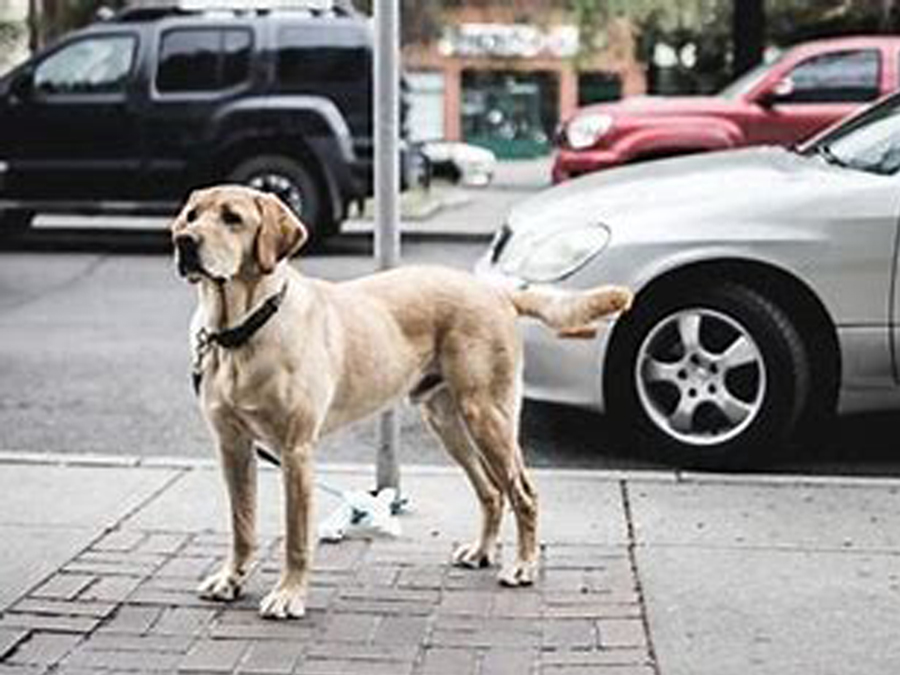
El problema de las heces de los perros en las calles es una preocupación creciente en muchas comunidades urbanas en todo el mundo. Además de ser antiestético y desagradable para los residentes y visitantes, la presencia de excrementos caninos en espacios públicos plantea serios riesgos para la salud pública.Las heces de los perros pueden contener una variedad de patógenos y parásitos, como toxocara, que pueden transmitirse a los humanos y causar enfermedades graves, incluyendo infecciones oculares, gastrointestinales y respiratorias. Esto es especialmente preocupante en áreas donde los niños juegan o donde hay una alta densidad de tráfico peatonal, ya que aumenta el riesgo de exposición a estos agentes patógenos.Además de los riesgos para la salud, el problema de las heces de los perros en las calles también tiene un impacto negativo en el medio ambiente y la calidad de vida de las comunidades. La acumulación de excrementos caninos contamina el suelo y el agua, afectando los ecosistemas locales y contribuyendo a la degradación del entorno urbano.
The problem of dog feces on the streets is a growing concern in many urban communities around the world. In addition to being unsightly and unpleasant for residents and visitors, the presence of canine waste in public spaces poses serious risks to public health.Dog feces can contain a variety of pathogens and parasites, such as toxocara, which can be transmitted to humans and cause serious illnesses, including eye, gastrointestinal and respiratory infections. This is especially concerning in areas where children play or where there is a high density of foot traffic, as it increases the risk of exposure to these pathogens.In addition to health risks, the problem of dog feces on the streets also has a negative impact on the environment and the quality of life of communities. The accumulation of canine excrement contaminates soil and water, affecting local ecosystems and contributing to the degradation of the urban environment.
Además, la presencia de heces de perros pueden generar conflictos entre vecinos, deteriorar la imagen de la comunidad y disminuir el atractivo de las áreas públicas para el recreo y la recreación al aire libre. En este sentido, abordar eficazmente este problema requiere no solo medidas de control y sanciones, sino también una educación continua sobre la responsabilidad de los propietarios de mascotas y la importancia de mantener limpios los espacios públicos para el bienestar de todos.Crean revolucionaria tecnología para identificar a los dueños que no recojan las heces de sus perros.En un esfuerzo por abordar el creciente problema de excrementos caninos en las vías públicas, varios municipios en Cataluña han adoptado medidas innovadoras basadas en pruebas de ADN para identificar a los propietarios de perros irresponsables.
In addition, the presence of dog feces can generate conflicts between neighbors, deteriorate the image of the community and reduce the attractiveness of public areas for recreation and outdoor recreation. In this sense, effectively addressing this problem requires not only control measures and sanctions, but also continuous education about the responsibility of pet owners and the importance of keeping public spaces clean for the well-being of all.They create revolutionary technology to identify owners who do not pick up their dogs' feceIn an effort to address the growing problem of dog waste on public roads, several municipalities in Catalonia have adopted innovative measures based on DNA testing to identify irresponsible dog owners.
Según informes de La Vanguardia, distintos municipios de esta región española han establecido un censo obligatorio de perros con identificación genética. Esta iniciativa, que comenzó en 2016, ha demostrado ser una herramienta efectiva en la lucha contra la falta de civismo de los propietarios de mascotas.El proceso es simple, pero efectivo: una vez que los perros están registrados en el censo, reciben una placa que trae un código QR único que facilita su identificación rápida y su ubicación en caso de extravío. Además, este código permite acceder al perfil genético del animal, lo que posibilita la identificación de los propietarios que no recogen los desechos de sus mascotas.
According to reports from La Vanguardia, different municipalities in this Spanish region have established a mandatory census of dogs with genetic identification. This initiative, which began in 2016, has proven to be an effective tool in the fight against pet owner incivility.The process is simple, but effective: once the dogs are registered in the census, they receive a tag that has a unique QR code that facilitates their quick identification and location in case of loss. In addition, this code allows access to the animal's genetic profile, which makes it possible to identify owners who do not collect their pet's waste.
Los operarios municipales encargados de recoger las heces que se encuentran en la vía pública ahora cuentan con una herramienta digital que registra la hora y la ubicación exacta del hallazgo. Si la muestra no coincide con ninguna entrada en la base de datos, el sistema utiliza la información genética para crear un “retrato robot” del perro infractor, incluyendo su sexo, tamaño, color de pelo y la forma del cráneo. Esta característica permite a los ayuntamientos delimitar y reducir el área de búsqueda, facilitando así la identificación de los propietarios responsables.En cuanto a las sanciones para los dueños que son identificados de no recoger las heces de sus mascotas, estas varían según el municipio y oscilan entre los 300 y los 1000 euros (de $322 a $1,022 dólares).
Municipal workers in charge of collecting feces found on public roads now have a digital tool that records the time and exact location of the discovery. If the sample does not match any entry in the database, the system uses the genetic information to create a “robot portrait” of the offending dog, including its sex, size, hair color and skull shape. This feature allows municipalities to delimit and reduce the search area, thus facilitating the identification of responsible owners. As for the penalties for owners who are identified for not picking up their pets' feces, these vary depending on the municipality and range between 300 and 1,000 euros (from $322 to $1,022 dollars).
Fans