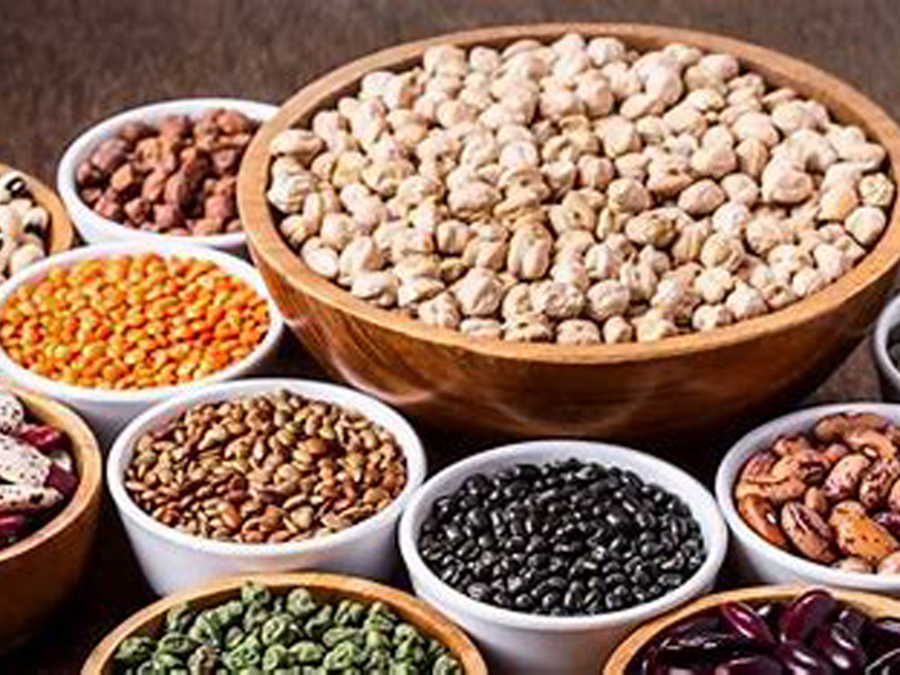
Versátiles, llenos de nutrientes y económicos, las legumbres son parte fundamental de la alimentación desde la antigüedad. En esta entrega revisaremos cómo eliminar los antinutrientes de las legumbres en dos sencillos pasos.Las legumbres son la base de innumerables platos tradicionales en culturas de todo el mundo, y uno de los alimentos de la dieta mediterránea, considerada como una de las que aporta más beneficios para la salud y que ayuda vivir más tiempo.
Versatile, full of nutrients and economical, legumes have been a fundamental part of the diet since ancient times. In this installment we will review how to eliminate antinutrients from legumes in two easy steps.Legumes are the basis of countless traditional dishes in cultures around the world, and one of the foods of the Mediterranean diet, considered one of those that provides the most health benefits and helps you live longer.
El valor nutricional de las legumbres es alto por estar compuestas por minerales, vitaminas y fibras que ofrecen una amplia gama de beneficios para la salud. Sin embargo, las legumbres tienen antinutrientes que pueden dificultar la absorción de nutrientes.La farmaceuta María de los Ángeles García, explica qué son los antinutrientes de las legumbres y en qué perjudica nuestras recetas. Y es que las legumbres han desarrollado mecanismos para defenderse y poder sobrevivir para que los animalitos no se los quieran comer.
The nutritional value of legumes is high as they are composed of minerals, vitamins, and fibers that offer a wide range of health benefits. However, legumes have antinutrients that can make it difficult to absorb nutrients. Pharmacist María de los Ángeles García explains what antinutrients in legumes are and how they harm our recipes. And legumes have developed mechanisms to defend themselves and survive so that animals do not want to eat them.
García explica que “las lentejas y los garbanzos son listísimos y desde hace miles de años han desarrollado mecanismos para defenderse y poder sobrevivir para que los animalitos no se los quieran comer”.También dice que estos antinutrientes se pueden evitar de forma segura con tan solo dos pasos: “remojando y calentando”. La recomendación de la farmaceuta remojar las legumbres en agua unas 10-12 horas.
García explains that “lentils and chickpeas are very clever and for thousands of years they have developed mechanisms to defend themselves and survive so that animals do not want to eat them.”She also says these antinutrients can be safely avoided with just two steps: “soaking and heating.” The pharmacist's recommendation is to soak the legumes in water for about 10-12 hours.
Los antinutrientes son compuestos naturales que se encuentran en diversos alimentos y que pueden interferir con la absorción de nutrientes en el cuerpo humano. En el caso de las legumbres, los principales antinutrientes incluyen: fitoquímicos, lectinas y proteasa.Es importante destacar que, si bien los antinutrientes pueden reducir la absorción de ciertos nutrientes, el efecto puede variar dependiendo de factores como la cantidad consumida, la preparación y el procesamiento de los alimentos, así como la diversidad general de la dieta.
Antinutrients are natural compounds found in various foods that can interfere with the absorption of nutrients in the human body. In the case of legumes, the main antinutrients include: phytochemicals, lectins and protease.Importantly, while antinutrients can reduce the absorption of certain nutrients, the effect may vary depending on factors such as the amount consumed, food preparation and processing, as well as the overall diversity of the diet.
Fans