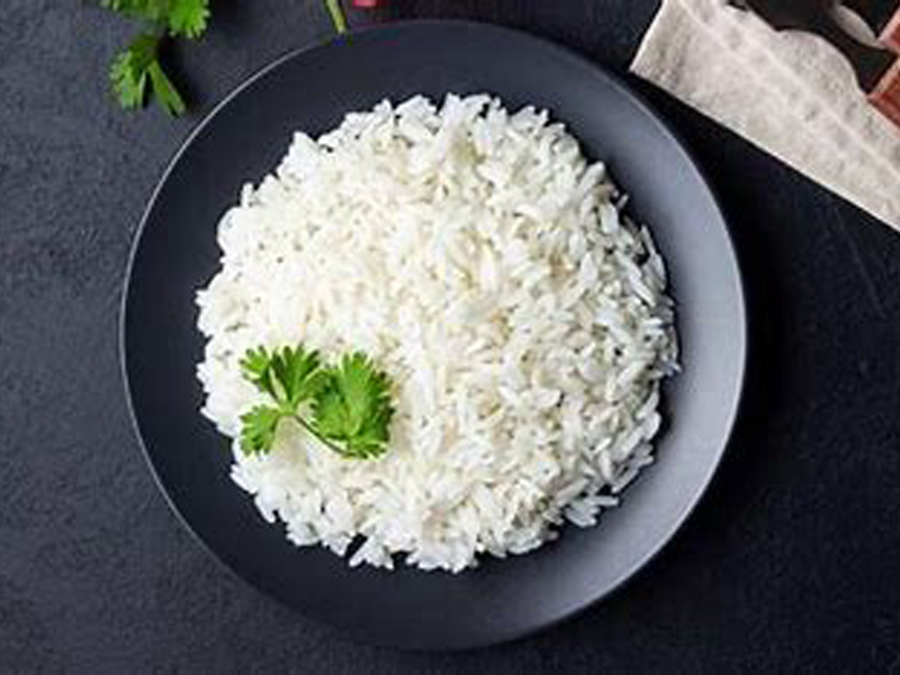
El arroz es un alimento delicioso que forma parte de la dieta de millones de personas en el mundo, con una variedad de formas de prepararlo, pero en su almacenaje se pueden cometer algunos errores antes y después de cocinarlo.El consumo de arroz en el mundo para el 2023 se ubicó en cerca de 516 millones de toneladas, lo que evidencia la popularidad de este grano en la alimentación y se hacen necesarios buenas prácticas para consérvalo de manera adecuada. Hay xxx prácticas a la hora de almacenar el arroz que pueden reducir la vida útil del arroz y pueden generar un riesgo para la salud si no se almacena de manera correcta.
Rice is a delicious food that is part of the diet of millions of people around the world, with a variety of ways to prepare it, but some errors can be made when storing it before and after cooking it.Rice consumption in the world by 2023 was close to 516 million tons, which shows the popularity of this grain in the diet and good practices are necessary to conserve it properly.There are xxx rice storage practices that can reduce the shelf life of rice and can create a health risk if not stored correctly.
Guardarlo en un recipiente cerrado: uno de los errores más frecuentes cuando guardamos el arroz crudo, es que luego de abrir la bolsa no llevamos el contenido a un recipiente sellado, tampoco debe recibir la luz solar directa.Llevar las sobras de arroz a la nevera: cuando el arroz esté cocido, enfriarlo rápidamente antes de guardarlo para evitar la acumulación de bacterias, ya que comer arroz sobrante puede ser peligroso si no lo tratas correctamente.Guardar arroz crudo en un lugar demasiado cálido puede afectar la calidad del producto. La temperatura ideal para almacenar el arroz es entre 55 y 60 grados Fahrenheit, sin embargo, los gabinetes de cocina o despensa están bien para guardarlo. Es importante mantener los granos alejados del calor excesivo, ya que esto puede hacer que el arroz se eche a perder más rápidamente. Evite guardar el arroz en un gabinete que esté justo al lado de tu cocina.
Store it in a closed container: one of the most frequent mistakes when we store raw rice is that after opening the bag we do not take the contents to a sealed container, nor should it receive direct sunlight.Put leftover rice in the refrigerator: When the rice is cooked, cool it quickly before storing it to avoid the buildup of bacteria, since eating leftover rice can be dangerous if you don't treat it correctly.Storing raw rice in a place that is too hot can affect the quality of the product. The ideal temperature for storing rice is between 55 and 60 degrees Fahrenheit, however, kitchen or pantry cabinets are fine for storing it. It is important to keep the grains away from excessive heat, as this can cause the rice to spoil more quickly. Avoid storing rice in a cabinet that is right next to your kitchen.
No utilizar un recipiente adecuado: es fundamental mantener el arroz en un envase herméticamente, para mantenerlo alejado el oxÃgeno, porque este es responsable de acelerar el proceso de degradación del arroz. Esto evitará que entre humedad en la bolsa y mantiene alejadas plagas como los gorgojos.Arroz seco expuesto a la luz solar directa: cuando el arroz recibe la luz solar directa, no durará tanto como si lo guardara en algún lugar fresco, por eso la recomendación es mantenerlo alejado de los rayos del sol. En caso de que las condiciones de su casa no lo permita, se puede elegir un recipiente opaco para guardarlo, ya que también bloqueará la luz solar. La luz acelera el proceso de degradación, que pueden afectar cambios en el sabor y la textura antes que se dañe totalmente.Guardar el arroz por mucho tiempo: aunque el arroz seco dura mucho tiempo, es un alimento que se daña con el tiempo, pues no es indestructible. Una diferencia, importante entre el arroz blanco y el arroz integral, es que el arroz blanco ha sido molido para eliminar las capas de salvado y germen de cada grano, por lo que el arroz blanco se le han despojado de sus aceites naturales, por lo que no hay mucho que pueda estropearse.
Not using a suitable container: it is essential to keep the rice in an airtight container, to keep oxygen away, because this is responsible for accelerating the degradation process of rice. This will prevent moisture from entering the bag and keeps pests like weevils away.Dry rice exposed to direct sunlight: When rice receives direct sunlight, it will not last as long as if it were stored somewhere cool, so the recommendation is to keep it away from the sun's rays. In case the conditions of your home do not allow it, you can choose an opaque container to store it as it will also block sunlight. Light accelerates the degradation process, which can affect changes in flavor and texture before it is completely damaged.Store rice for a long time: although dry rice lasts a long time, it is a food that deteriorates over time, as it is not indestructible. An important difference between white rice and brown rice is that white rice has been milled to remove the layers of bran and germ from each grain, so white rice has been stripped of its natural oils, so There's not much that can go wrong.
Almacenado de la manera correcta en un lugar fresco y seco en un recipiente hermético, el arroz blanco puede durar de cuatro a cinco años (o incluso más) sin ninguna pérdida significativa de calidad, según la Federación Estadounidense del Arroz dice que puede durar prácticamente indefinidamente.No desechar el arroz instantáneo después de caducado: a diferencia del arroz seco o el integral, arroz instantáneo, conocido como arroz de cocción rápida o arroz diminuto, ya ha sido precocido o parcialmente cocido, por esta razón es que su cocción es mucho más rápido que las variedades tradicionales. La recomendación es tirarlo una vez que pase su fecha de caducidad. No reposar el arroz cocido antes de guardarlo: una vez que hemos cocinado el arroz, es importante enfriar rápidamente el arroz cocido antes de guardarlo en el frigorÃfico. Primero se lleva a una temperatura apta para el refrigerador de 40 grados Fahrenheit, luego de lo cual puede trasladarlo al refrigerador para que se mantenga fresco. Es fundamental evitar dejar el arroz a temperatura ambiente más de dos horas.No almacenar arroz cocido en un recipiente hermético, ya que este reduce la exposición del arroz cocido a las bacterias y otros contaminantes presentes en su refrigerador. Además, ayuda a prolongar la vida útil del arroz y reduce el riesgo de enfermedades transmitidas por los alimentos.
Stored the right way in a cool, dry place in an airtight container, white rice can last four to five years (or even longer) without any significant loss in quality, the American Rice Federation says it can last virtually indefinitely. .Do not throw away instant rice after it has expired: unlike dry or brown rice, instant rice, known as quick-cooking rice or tiny rice, has already been pre-cooked or partially cooked, which is why it cooks much faster. than traditional varieties. The recommendation is to throw it away once it passes its expiration date.Do not rest the cooked rice before storing it: once we have cooked the rice, it is important to quickly cool the cooked rice before storing it in the refrigerator. It is first brought to a refrigerator-friendly temperature of 40 degrees Fahrenheit, after which you can move it to the refrigerator to keep it fresh. It is essential to avoid leaving the rice at room temperature for more than two hours.Do not store cooked rice in an airtight container, as this reduces the exposure of the cooked rice to bacteria and other contaminants present in your refrigerator. Additionally, it helps extend the shelf life of rice and reduces the risk of foodborne illness.
Fans