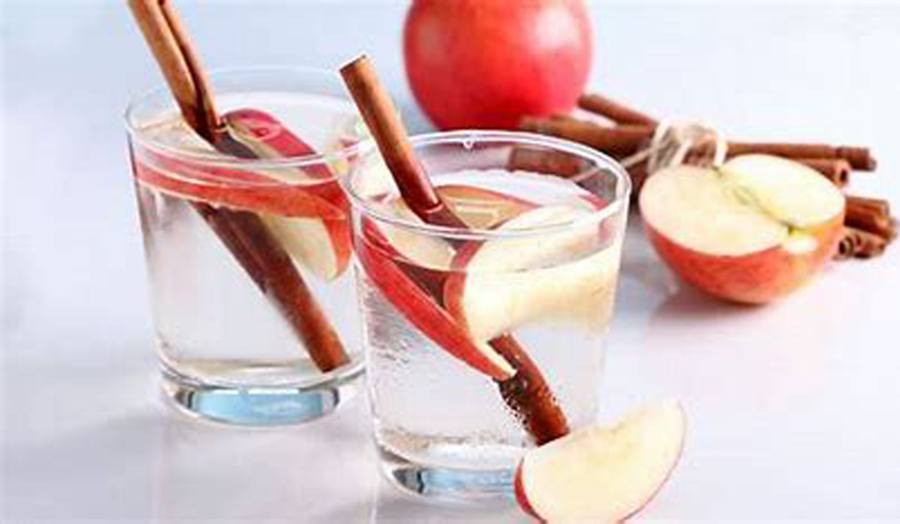
Apple: the natural ally against oral tartar
La higiene bucal es un elemento clave para la prevención del sarro dental que se forma por una reacción química entre la saliva y los residuos de comida. Una de las frutas recomendadas por los odontólogos para combatir el sarro y para mejorar la higiene bucal es la manzana.
Oral hygiene is a key element in preventing dental tartar, which is formed by a chemical reaction between saliva and food residue. One of the fruits recommended by dentists to combat tartar and improve oral hygiene is the apple.
El sarro dental se origina por el endurecimiento de la placa bacteriana, como consecuencia de una higiene incorrecta; esta placa de color marrón se va acumulando en la parte del diente cercano a la encía.
Dental tartar is caused by the hardening of bacterial plaque, as a result of incorrect hygiene; This brown plaque accumulates on the part of the tooth close to the gum.
Los odontólogos recomiendan consumir una manzana roja por sus beneficios para la higiene bucal, ya que debido a su textura crocante ayuda a limpiar los dientes al morderla.
Dentists recommend consuming a red apple for its benefits for oral hygiene, since due to its crunchy texture it helps clean teeth when biting into it.
Además, ayuda a regular el pH de la boca, lo que influye en una disminución de proliferación de bacterias y el mal aliento. Esto se debe a que al masticar la fruta se estimula la producción de saliva.
In addition, it helps regulate the pH of the mouth, which influences a decrease in the proliferation of bacteria and bad breath. This is because chewing the fruit stimulates saliva production.
La manzana es una fruta rica en vitaminas que favorecen el fortalecimiento las encías, por contener vitamina C que combate el sarro.
The apple is a fruit rich in vitamins that help strengthen the gums, as it contains vitamin C that fights tartar.
Si bien la manzana contribuye a la higiene bucal para combatir el sarro se debe acompañar con hábitos como dejar de consumir alimentos ricos en azúcar, bebidas gaseosas, vino o el tabaco, porque alteran el pH de la saliva que hacen aumente la placa bacteriana.
Although the apple contributes to oral hygiene to combat tartar, it should be accompanied by habits such as stopping consuming foods rich in sugar, soft drinks, wine or tobacco, because they alter the pH of saliva, which increases bacterial plaque.
“La sacarosa suele estar presente en muchos alimentos procesados y bebidas azucaradas como dulces, pasteles, jugos concentrados de fruta y refrescos. Además, cualquier alimento pegajoso, chicloso o masticable (como gomitas, frutos secos, jarabes y caramelos) se queda atorado en los recovecos de los dientes y en los espacios entre ellos”, explica Apoena De Aguiar Ribeiro, odontopediatra y microbióloga de la Universidad de Carolina del Norte a The New York Times.
“Sucrose is usually present in many processed foods and sugary drinks such as candy, cakes, concentrated fruit juices and soft drinks. In addition, any sticky, chewy or chewy food (such as gummies, nuts, syrups and candies) gets stuck in the recesses of the teeth and in the spaces between them," explains Apoena De Aguiar Ribeiro, pediatric dentist and microbiologist at the University of North Carolina to The New York Times.
Aunque comer manzana favorece la higiene bucal, es importante acudir al odontólogo al menos dos años y evitar comidas que favorezcan el crecimiento de la placa.
Although eating apples promotes oral hygiene, it is important to go to the dentist for at least two years and avoid foods that promote plaque growth.
Fans