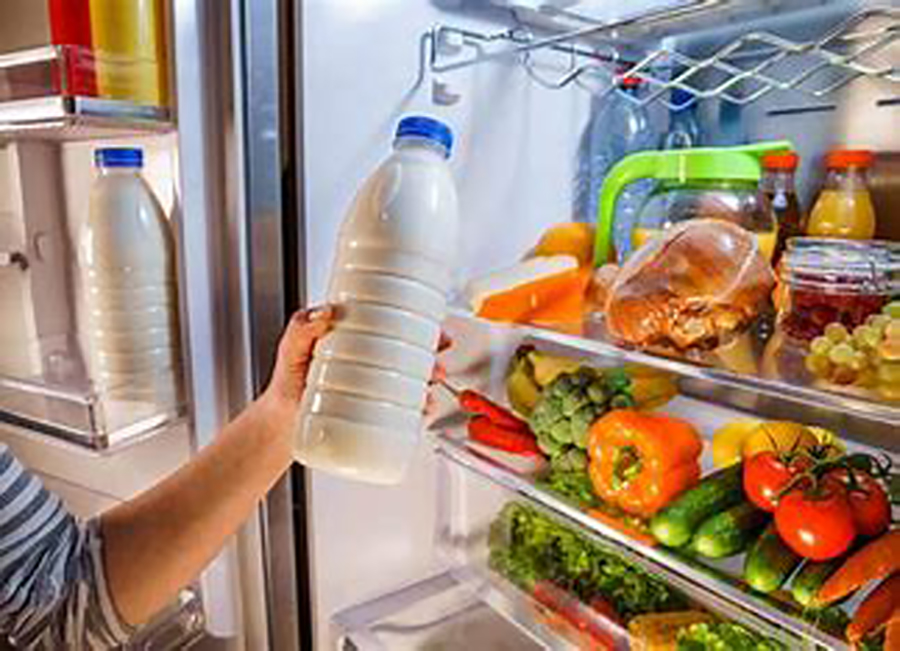
7 Tricks You Should Try for Storing Food
La conservación de alimentos nos ayuda a mantenerlos en buen estado para garantizar la salud y evitar el desperdicio de comida. Bien sea por razones ecológicas o por ahorro de dinero, desechar alimentos representa una pérdida por eso traemos 7 consejos para almacenar alimentos para que duren más tiempo.
Food preservation helps us keep our food in good condition to ensure health and avoid food waste. Whether for ecological reasons or to save money, throwing away food represents a waste, so we bring you 7 tips for storing food so that it lasts longer.
La selección de los alimentos implica un proceso de tempo y dinero que comienza desde que vamos al supermercado, seleccionamos los productos, los llevamos a casa, los almacenamos y luego los utilizamos.
Selecting food involves a time and money-consuming process that begins when we go to the supermarket, select the products, take them home, store them and then use them.
Se trata de trucos para almacenar alimentos que te ayudarán a ahorrar mucho dinero y evitar el desperdicio innecesario de alimentos.
These are tricks for storing food that will help you save a lot of money and avoid unnecessary food waste.
1.- Un vaso de agua para almacenar las hierbas en el refrigerador puede ser de ayuda para evitar que se marchiten. Lo primero que debes hacer es una selección de las hierbas, por ejemplo, las plantas con tallo suaves como el cilantro y las hojas de menta se agrupan como las hierbas tiernas. Mientras que el orégano, el tomillo y otras similares tienen tallos duros entre en la clasificación de las hierbas duras.
1.- A glass of water to store herbs in the refrigerator can help prevent them from wilting. The first thing you should do is select the herbs, for example, plants with soft stems such as cilantro and mint leaves are grouped as tender herbs. While oregano, thyme and other similar herbs with hard stems are classified as hard herbs.
Se recomienda lavarlos para retirarle la suciedad y las bacterias. Lo ideal es cortar los tallos de las hierbas aproximadamente una pulgada y luego colocarlos en una taza de agua y cubrirlos con film transparente o una bolsa de plástico reusable, según Usa Today.
It is recommended to wash them to remove dirt and bacteria. Ideally, you should cut the stems of the herbs about an inch and then place them in a cup of water and cover them with plastic wrap or a reusable plastic bag, according to USA Today.
Luego se lleva al refrigerador para que se mantengan frescos por más tiempo. En el caso de las hierbas de tallo duro, debes envolverlas en una toalla húmeda, colocarlas en una bolsa reusable y guardarlas en el refrigerador.
Then you put them in the refrigerator so they stay fresh longer. In the case of hard-stemmed herbs, you should wrap them in a damp towel, place them in a reusable bag and store them in the refrigerator.
2.- Alarga la vida del plátano con film transparente o papel de aluminio, lo que debes hacer es envolver el tallo del plátano o el bulto grande donde se unen todos los demás plátanos en film transparente o papel de aluminio.
2.- Extend the life of the banana with plastic wrap or aluminum foil, what you should do is wrap the stem of the banana or the large lump where all the other bananas meet in plastic wrap or aluminum foil.
Esto va a evitar que se maduren rápidamente porque ralentiza el proceso de putrefacción, más conocido como “pardeamiento enzimático” que comienza en la corona, donde este químico se libera en abundancia.
This will prevent them from ripening quickly because it slows down the rotting process, better known as “enzymatic browning” that begins at the crown, where this chemical is released in abundance.
3.- Enjuague, seque y guarde los limones en bolsas herméticas en el refrigerador, una forma de preservar los limones es enjuagarlos, secarlos con un paño y guardarlos en una bolsa o recipiente hermético. Luego, guárdalos en el refrigerador para mantenerlos frescos.
3.- Rinse, dry and store lemons in airtight bags in the refrigerator. One way to preserve lemons is to rinse them, dry them with a cloth and store them in an airtight bag or container. Then, store them in the refrigerator to keep them fresh.
Los limones se mantendrán frescos gracias a la temperatura fría del refrigerador que ayuda a retrasar la maduración de los limones, las frutas y otros productos frescos.
Lemons will stay fresh thanks to the cold temperature of the refrigerator which helps delay the ripening of lemons, fruits and other fresh produce.
También se aconseja mantenerlos alejados de frutas que producen etileno, como los plátanos, para que el proceso de maduración sea más lento. Por esta razón, al envolverlos en una bolsa resellable, colocarlos en el cajón para verduras con un sistema de circulación de aire y control de temperatura, ayudará a que se mantengan por más tiempo.
It is also advisable to keep them away from fruits that produce ethylene, such as bananas, so that the ripening process is slower. For this reason, wrapping them in a resealable bag, placing them in the crisper drawer with an air circulation system and temperature control, will help them last longer.
4.- Guarda tus cebollas en medias, por lo general las cebollas se compran en grandes cantidades y para que duren más tiempo se deben guardar en algún lugar donde puedan respirar con facilidad.
4.- Store your onions in stockings. Onions are usually bought in large quantities and to make them last longer they should be stored somewhere where they can breathe easily.
Un curioso consejo de blog de Brooklyn Farm Girl recomienda colocar una cebolla o un pequeño racimo dentro de la punta de una media de nylon que ya no uses, hacer un nudo y repetir el proceso hasta que te quedes sin espacio o sin cebollas. Las puedes colgar en un gancho en la despensa y aprovechar que duran más tiempo y ahorrar espacio.
A fun tip from Brooklyn Farm Girl's blog recommends placing an onion or a small bunch inside the tip of a nylon stocking you no longer use, tying a knot, and repeating the process until you run out of space or onions. You can hang them on a hook in the pantry and take advantage of the fact that they last longer and save space.
5 .- Congele la pasta de tomate sobrante en bolsas resellables una forma práctica de almacenar la pasta de tomate es agregar la pasta de tomate en las bolsas, preferible ente en bolsas pequeñas ellas las sellas y las llevas al congelador.
5.- Freeze leftover tomato paste in resealable bags. A practical way to store tomato paste is to add the tomato paste to the bags, preferably in small bags, seal them and put them in the freezer.
Otro truco que te ayudará a dividir las porciones es utilizando la parte trasera de un cuchillo, lo que debes hacer es presiona firmemente la bolsa en sentido horizontal y luego en sentido vertical hasta que obtengas un signo más, ya con esto quedan marcadas las porciones y lleva con cuidado al congelador.
Another trick that will help you divide the portions is to use the back of a knife. What you should do is press the bag firmly horizontally and then vertically until you get a plus sign. With this, the portions are marked and carefully put them in the freezer.
6.- Guarda tus zanahorias en arena o aserrín pueden ayudar cuando se compran en grandes cantidades para usarla durante todo el año, sobre todo en lugares donde el invierno hace difícil que se cultive. Hay un truco para que puedas tenerlas frescas por mucho tiempo. Solo debes sacarlas, retirarle el barro o la suciedad, secarlas, darles un baño del sol durante dos días para que tengan una consistencia más firme, y luego se le retiran las cabezas para evitar que vuelvan a crecer, según un consejo de Original Homesteading.
6.- Store your carrots in sand or sawdust. This can help when buying in large quantities to use throughout the year, especially in places where winter makes it difficult to grow. There is a trick to keeping them fresh for a long time. Just take them out, remove any mud or dirt, dry them, give them a sun bath for two days to make them firmer, and then remove the heads to prevent them from growing back, according to a tip from Original Homesteading.
Lo siguiente en almacenar las zanahorias en arena húmeda del río o en serrín, lo que les proporcionará la humedad necesaria para mantenerse frescas y conservadas durante mucho tiempo. Se pueden almacenar en recipientes de plástico o las cajas de madera.
Next up on storing carrot sin wet river sand or sawdust, which will provide them with the necessary humidity to stay fresh and preserved for a long time. They can be stored in plastic containers or wooden boxes.
Para obtener mejores resultados se recomienda colocar una capa de arena o virutas, luego agregue una fila de zanahorias y luego agregue otra capa de arena o aserrín antes de agregar más zanahoria, es importante que las zanahorias no se toquen entre sí.
For best results, it is recommended to place a layer of sand or shavings, then add a row of carrots and then add another layer of sand or sawdust before adding more carrots, it is important that the carrots do not touch each other.
7 .- Conservar hierbas frescas en aceite en las temporadas de calor es una excelente opción. Nos podemos apoyar con el uso del aceite para conservar los productos frescos. Además, que el sabor del aceite de oliva con hierbas realzará instantáneamente tus platos, por lo que puedes agregarlas en diferentes preparaciones como sopas, guisos, curry o cualquier otro alimento.
7 .- Preserving fresh herbs in oil in the hot seasons is an excellent option. We can support ourselves with the use of oil to preserve fresh products. In addition, the flavor of olive oil with herbs will instantly enhance your dishes, so you can add them to different preparations such as soups, stews, curries or any other food.
La forma de prepararlo es teniendo a la mano hierbas, aceite de oliva extra virgen y bandejas de cubitos de hielo. Lo primero que debemos hacer es separar las hierbas de sus tallos y corta los trozos más grandes, luego llenamos la bandeja de cubitos de hielo hasta la mitad y agregamos el aceite de oliva hasta que las hierbas estén completamente sumergidas.
The way to prepare it is by having herbs, extra virgin olive oil and ice cube trays on hand. The first thing to do is to separate the herbs from their stems and cut the larger pieces, then fill the ice cube tray halfway and add olive oil until the herbs are completely submerged.
Se coloca un film transparente y se llevan al congelador por al menos ocho horas, luego se retiran los cubitos congelados de la bandeja y se pasan a un recipiente hermético. De esta manera tendrás cubitos de hierbas listos para utilizarlos en tus recetas.
Place a plastic wrap over the tray and put them in the freezer for at least eight hours, then remove the frozen cubes from the tray and put them in an airtight container. This way you will have herb cubes ready to use in your recipes.
Fans