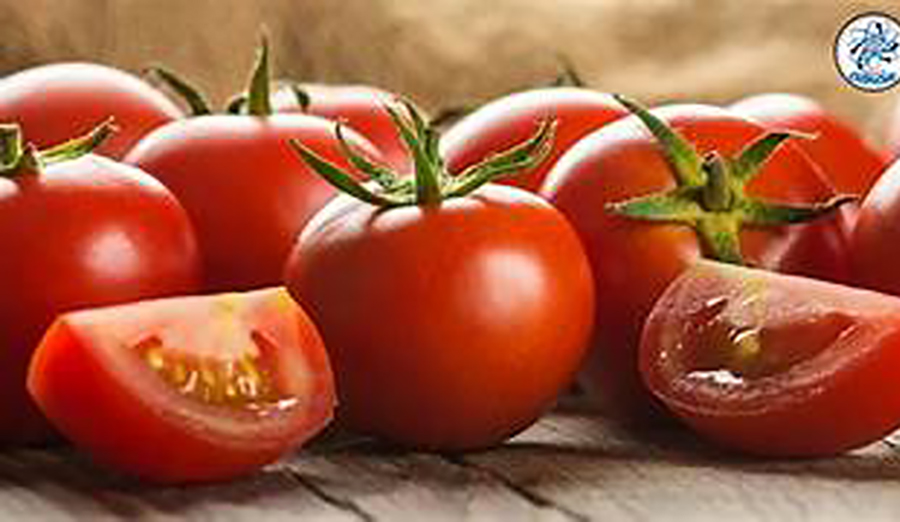
The ideal place to keep tomatoes from rotting so quickly: neither in the refrigerator nor in the fruit bowl
Los tomates son alimentos nutritivos y versátiles, muy utilizados en ensaladas, salsas, guisos y más, lo que los hace muy populares. También son uno de los productos frescos más vendidos en Estados Unidos. Pero, ¿cómo podemos evitar que se pudran tan rápido?
Tomatoes are nutritious and versatile foods, widely used in salads, sauces, stews and more, making them very popular. They are also one of the best-selling fresh produce in the United States. But how can we prevent them from rotting so quickly?
Para conservar los tomates, hay que tener en cuenta varios detalles. Al elegirlos en el supermercado, es importante que no tengan magulladuras y que sean firmes y brillantes. También debemos ser cuidadosos al transportarlos y decidir cómo almacenarlos, ya sea en el refrigerador o en el frutero.
To preserve tomatoes, there are several details to consider. When choosing them at the supermarket, it is important that they are not bruised and that they are firm and shiny. We must also be careful when transporting them and deciding how to store them, whether in the refrigerator or in the fruit bowl.
Aunque es común poner los tomates en el refrigerador para que duren más, hay algunas recomendaciones sobre cómo guardarlos para evitar que se echen a perder. Una razón para no refrigerarlos de inmediato es que el frÃo puede cambiar su textura y sabor. Lo mejor es dejarlos en un lugar fresco y oscuro cuando están maduros y en el frutero si todavÃa están verdes.
Although it is common to put tomatoes in the refrigerator to make them last longer, there are some recommendations on how to store them to prevent them from spoiling. One reason not to refrigerate them right away is that the cold can change their texture and flavor. It is best to leave them in a cool, dark place when they are ripe and in the fruit bowl if they are still green.
Aquà hay cuatro consejos para conservar los tomates:
Here are four tips for storing tomatoes:
Selecciona bien: No guardes tomates maduros junto a los verdes, ya que los verdes liberan etileno, lo que acelera la maduración de los demás.
Select well: Don't store ripe tomatoes next to green ones, as green tomatoes release ethylene, which speeds up the ripening of the other ones.
Colócalos al revés: Poner los tomates con el tallo hacia abajo ayuda a reducir la humedad y ralentiza el proceso de maduración.
Turn them upside down: Turning tomatoes stem-side down helps reduce humidity and slows down the ripening process.
Elige un buen lugar: Busca un sitio fresco, seco y bien ventilado. Si hace calor y hay mucha humedad, puedes ponerlos en el refrigerador.
Choose a good spot: Find a cool, dry, well-ventilated spot. If it's hot and humid, you can put them in the refrigerator.
No los laves antes: Un estudio de la Universidad de Michigan recomienda lavarlos con agua frÃa justo antes de comerlos, no antes de guardarlos.
Don't wash them before: A study from the University of Michigan recommends washing them with cold water just before eating, not before storing.
Conservación adecuada para más frescura
Proper storage for more freshness
Si no vas a consumir los tomates maduros de inmediato, puedes guardarlos en el refrigerador, congelarlos o deshidratarlos para que duren más. Al conservar los alimentos bien, mantenemos su sabor y nutrientes, lo que ayuda a reducir el desperdicio.
If you're not going to consume ripe tomatoes right away, you can store them in the refrigerator, freeze them, or dehydrate them to make them last longer. By storing food well, we maintain its flavor and nutrients, which helps reduce waste.
Conservar los tomates adecuadamente no solo ahorra dinero, sino que también ayuda a minimizar el impacto ambiental y a preservar su valor nutricional, como sus vitaminas y licopeno.
Storing tomatoes properly not only saves money, but also helps minimize environmental impact and preserves their nutritional value, such as vitamins and lycopene.
Otras formas de conservación
Other Ways to Preserve
Los tomates tienen una vida útil de 3 a 4 dÃas. Después de eso, se pueden deshidratar, congelar o hacer salsa:
Tomatoes have a shelf life of 3 to 4 days. After that, they can be dehydrated, frozen, or made into sauce:
Deshidratación: Una técnica antigua y segura para conservar los alimentos por meses.
Dehydration: An old, safe technique for preserving food for months.
Congelación: Lava y seca los tomates firmes y maduros, ponlos en una bandeja y congélalos. Luego, transfiérelos a bolsas plásticas. Aunque se conservan, pueden perder algunas propiedades.
Freezing: Wash and dry firm, ripe tomatoes, put them on a tray, and freeze them. Then, transfer them to plastic bags. Although they will preserve, they may lose some properties.
Salsa: Si no puedes consumirlos, hacer una salsa es una buena opción.
Sauce: If you can't eat them, making a sauce is a good option.
La Universidad de Michigan también ofrece una guÃa sobre el uso y almacenamiento de tomates, destacando que es mejor evitar tomates que han estado en viñas muertas o congeladas, ya que pueden tener microbios. Además, es importante mantener los tomates alejados de la carne cruda para evitar contaminación cruzada.
The University of Michigan also offers a guide on using and storing tomatoes, noting that it's best to avoid tomatoes that have been on dead vines or frozen, as they may have microbes. Also, it's important to keep tomatoes away from raw meat to avoid cross-contamination.
En general, se recomienda consumir los tomates congelados en un plazo de 12 meses.
In general, it's recommended that frozen tomatoes be consumed within 12 months.
Fans