Shared Child Custody: A Monumental Chaos
POR DRA. NANCY ÁLVAREZ
www.DraNancy.com
La custodia compartida de hijos es un caos enorme. Casi siempre se deja en manos de abogados, jueces y de gente que sabe de leyes, pero nada sobre el tema. No me cansaré de decirlo hasta que muera: zapatero a tus zapatos.

Shared child custody is an enormous mess. It is almost always left in the hands of lawyers, judges, and people who know the law but nothing about the subject. I will never stop saying it until the day I die: stick to what you know.
¿Se va con papá o con mamá? ¿Cómo manejarlo? Es un desastre. La cosa más difícil del mundo es la mente de un niño, ¡y cómo se le hace daño! Los que mandan no saben nada, pero deciden adónde se va el niño, si la mamá está actuando bien o mal y otros disparates. Son también los responsables del caos con los divorcios.
Who does the child go with—mom or dad? How should it be handled? It’s a disaster. The most difficult thing in the world is understanding a child’s mind, and yet, so much harm is done to them. The ones in charge know nothing, yet they decide where the child will live, whether the mother is doing well or not, and other nonsense. They are also responsible for the chaos surrounding divorces.
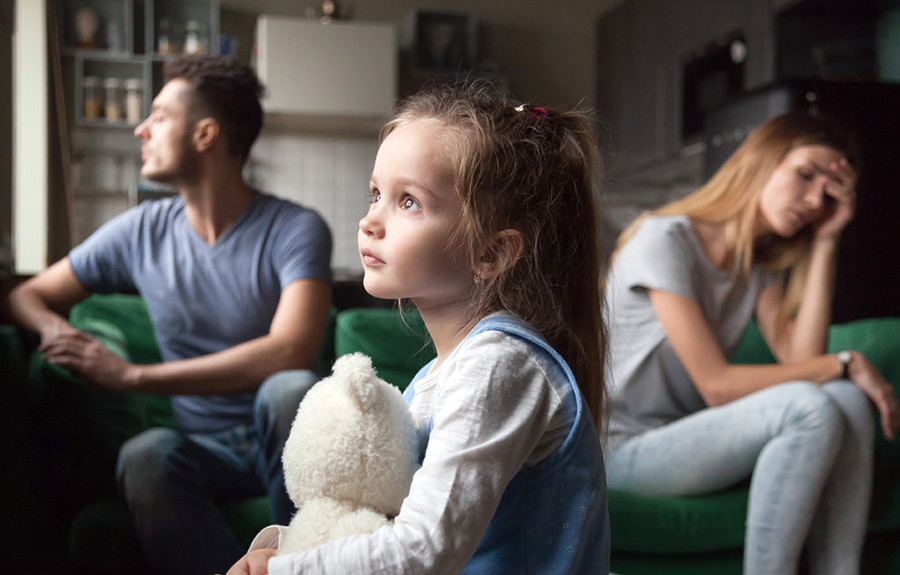
Hace poco, vi a una mamá decir a su hijo: “escoge con cuál de los dos vas a vivir”. ¿Cómo pone al niño a escoger? Si él dice “me quiero ir con mi papá”, ella se ofende, o lo contrario. Señores, el niño quiere a papá y mamá. No importa lo malo que hayan sido.
Recently, I saw a mother say to her child: “Choose which one of us you want to live with.” How can you make a child choose? If the child says, “I want to go with my dad,” the mother feels hurt, and vice versa. Listen, people—the child loves both parents. No matter how flawed they may be.
El niño los quiere y los necesita, por lo que no debe decidir con quién vive. A menos que haya un problema muy serio. Por ejemplo, el papá está metido en drogas o no está preparado para cuidarlo. O la mamá tiene problemas serios, lo golpea, o algo así. Ahí sí debe entrar un terapeuta infantil, que casi nadie lo puede pagar, porque son bien caros.
Children love and need both parents, so they should not be the ones deciding where they live—unless there is a serious issue. For example, if the father is involved in drugs or is unfit to care for the child, or if the mother has serious problems, is abusive, or something similar. In such cases, a child therapist should be involved. But therapy is expensive, and most people can’t afford it.
Me río cuando dicen que en la justicia hay mucha gente preparada, incluyendo psicólogos. ¿Usted cree que un psicólogo cobra poco, después de estudiar muchísimo y fajarse a estudiar la mente de un niño? No. ¿Los jueces o el gobierno van a pagarlo? No. Mandan a un consejero, que no conoce el tema en profundidad, y lo ponen a opinar.
I laugh when people say the justice system has highly trained professionals, including psychologists. Do you really think a psychologist works for little pay after studying so much and dedicating themselves to understanding a child’s mind? No. Will the judges or the government pay for one? No. Instead, they send a counselor, who lacks deep knowledge on the subject, and have them give an opinion.
Incluso yo misma pienso mucho lo que digo cuando doy consejos relacionados con los niños. Trabajé mucho en este campo, pero eso no significa que sea terapeuta infantil. Cuando un niño tiene problemas, debe verlo un terapeuta infantil. Y, repito, son caros.
Even I am very careful about what I say when giving advice related to children. I have worked extensively in this field, but that does not make me a child therapist. When a child has issues, they should see a specialist. And, as I mentioned, that is expensive.
Entonces, lo ideal es que los padres se pongan de acuerdo. Sin embargo, ¿puede usted pedirle eso a quienes se están divorciando, precisamente porque no se llevan bien y no saben cómo manejar sus conflictos? ¿Son los que deben decidir? Tampoco. Ellos necesitan ayuda. Lo ideal sería terapia familiar. Y antes, escuchar al niño, pero sin darle poder de decisión, a menos que haya maltratos. Y en ese caso, debe entrar un experto.
Ideally, parents should come to an agreement. But can you really expect that from two people who are getting divorced because they don’t get along and don’t know how to handle conflict? Should they be the ones making the decision? No. They need help. The best option would be family therapy. And before anything else, the child should be heard—but without being given decision-making power, unless there is abuse involved. In that case, an expert must step in.
A la larga, después de hablar, evaluar y estudiar la situación, se toma la decisión. Los padres deben ser respetuosos y flexibles, porque los niños sufren en medio de un pleito de dos adultos.
Ultimately, after discussions, evaluations, and careful study, a decision should be made. Parents need to be respectful and flexible because children suffer in the midst of adult conflicts.
Por favor, piense en sus hijos. Ellos necesitan estabilidad, y que papá y mamá se lleven bien. Estudie, pues educar a un hijo es una ciencia. Y si usted decidió parir, ¡por favor, entrénese!
Please, think about your children. They need stability and for their parents to get along. Educate yourself, because raising a child is a science. And if you chose to have children, please—train yourself!
Fans