Zero Swear Words Around Children: Setting the Example Starts at Home
POR DRA. NANCY ÁLVAREZ
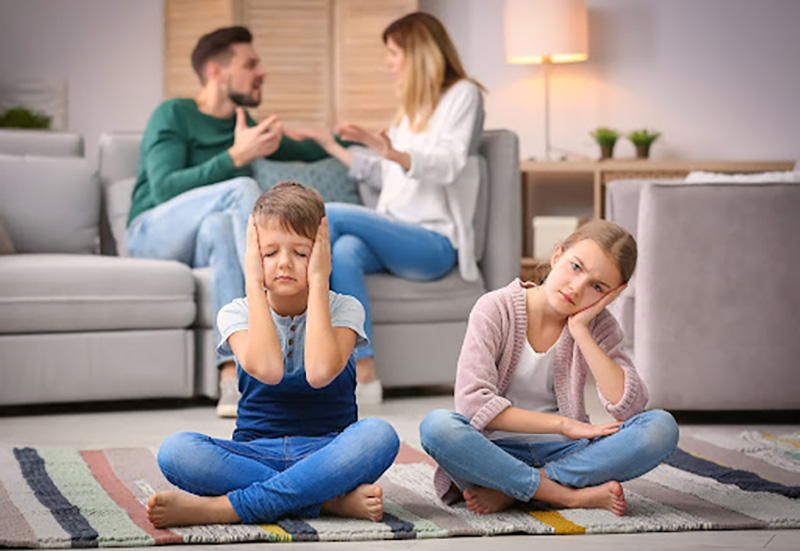
¿Cómo erradicar las malas palabras en los niños? Lo primero es no decirlas, porque ellos repiten lo que oyen, y no lo que usted les dice que hagan. Hay madres que se quejan: “no sé por qué este niño dice tantas malas palabras, en algún sitio las está oyendo”. Ok, las escuchará en la escuela cuando sea más grande, pero si un pequeño las dice, es porque en su casa los padres hacen lo mismo. Y eso no es bueno, porque todos pasarán mucha vergüenza.
How to eradicate swear words in children? The first thing is to not say them, because they repeat what they hear, not what you tell them to do. Some mothers complain: "I don't know why this child says so many swear words; he's hearing them somewhere." Okay, they'll hear them at school when they're older, but if a little one says them, it's because the parents at home do the same. And that's not good, because everyone will be embarrassed.
Si un niño chiquito sale con malas palabras en medio de una fiesta o reunión, alejará a los otros. Y es que las mamás no querrán que un “malapalabroso” sea amiguito de sus hijos, porque aprenderá mal las normas y buenas costumbres.
If a young child swears in the middle of a party or gathering, it will alienate the others. Mothers don't want a "sweary" person to be their child's friend, because they'll learn the wrong rules and good manners.
Es evidente que un niño no sabe medir cómo, cuándo o a quién decirlas. Por eso, toda la familia pasará vergüenza más de una vez, y el niño también. Y también rechazo. A usted tampoco le gustará que su hijo ande con otro que suelta malas palabras en todas partes.
Así que trate de no decirlas en casa. A mí nunca me dejaron, pero después de grande sí es verdad que lo hice. Las he ido dejando a medida que he envejecido. Antes decía muchas malas palabras, pero después que mi mamá muriera. Cuando ella vivía, si hacíamos algo así, nos partía la boca con un manotazo. Creo que esto tampoco es sano.
So try not to say them at home. I was never allowed to, but it's true that I did when I grew up. I've gradually stopped using them as I've gotten older. I used to swear a lot, but after my mom died. When she was alive, if we did something like that, she'd smack us in the mouth. I don't think this is healthy either.
Usted puede poner a un niño de castigo, decirle que esas cosas no se hacen, explicarle el por qué. Y también informarle que hay países donde la gente dice muchas malas palabras, y es algo normal. En España, por ejemplo, están a la orden del día, incluso en la televisión. No tengo problemas con eso, pero hay mucha gente que sí los tiene.
You can punish a child, tell them that those things aren't done, and explain why. And also inform them that there are countries where people swear a lot, and it's normal. In Spain, for example, they're commonplace, even on television. I don't have a problem with that, but there are many people who do.
Por eso, eduque a su hijo, hágale ver que las malas palabras son de mala educación y a mucha gente no le gustan. Hay otras a las que sí, pero tampoco hay que meterse con ellas ni mandarlas a callar. ¡Hay tantas cosas positivas que enseñarle a un niño! Evite relacionarle con cuestiones que, en vez de ayudarlo en sus relaciones futuras, le crearán problemas. En resumen, cero malas palabras, sobre todo, delante de los niños.
So, educate your child, make them see that swearing is rude and many people don't like it. There are others who do, but you don't have to pick on them or tell them to shut up. There are so many positive things to teach a child! Avoid involving him in issues that, instead of helping him in future relationships, will create problems. In short, no bad language, especially in front of children.
www.DraNancy.com
Fans