School bullying: respond or turn the other cheek?
POR DRA. NANCY ÁLVAREZ
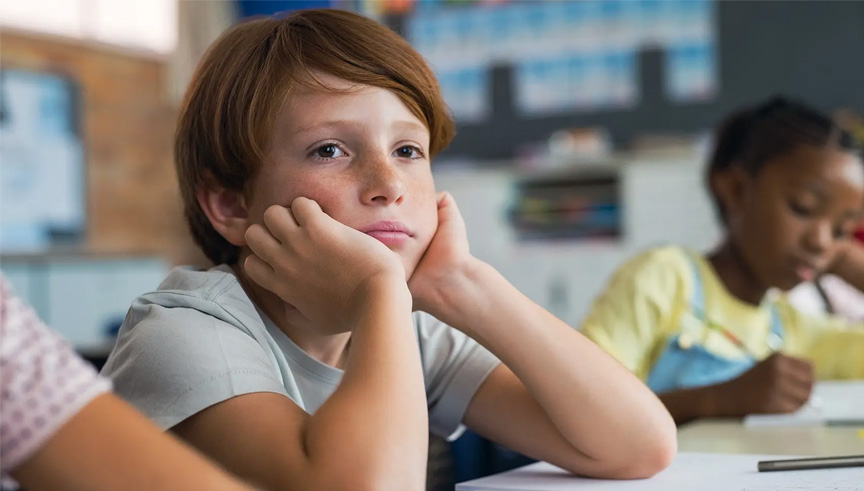
El bullying en las escuelas siempre debe evitarse. Es un abuso psicológico contra otro ser humano. Si se trata de un niño, el abuso es todavía más grande, porque se supone que no puede defenderse. Y más si quien lo hace es un muchacho mayor, que puede terminar pegándole.
Bullying in schools should always be avoided. It's psychological abuse against another human being. If it's a child, the abuse is even worse, because they're supposedly unable to defend themselves. And even more so if it's an older child, who might end up hitting them.
El bullying no está bien en ninguna parte. Lo triste es que en la escuela cada día es más normal, y crea muchos problemas. Pero, ¿qué debemos hacer? ¿poner la otra cara, para que siga sucediendo? No. Si una persona nos hace bullying, se burla o nos empuja, lo primero es ponernos serios.
Bullying isn't okay anywhere. The sad thing is that it's becoming more common in schools every day, and it creates many problems. But what should we do? Should we put on a different face so it continues to happen? No. If someone bullies us, mocks us, or pushes us, the first thing we should do is get serious.
Sin embargo, no todos los niños y jovencitos tienen esa capacidad. Si sus padres son muy “fuertes” y los golpean, maltratan y, en resumen, le hacen bullying, el niño crece con la autoestima baja y con miedo a cualquier cosa. Por tanto, no sabrá defenderse.
However, not all children and young people have that capacity. If their parents are very "strong" and hit them, mistreat them, and, in short, bully them, the child grows up with low self-esteem and fear of anything. Therefore, they won't know how to defend themselves.
O sea, dígale a su hijo desde pequeño que cuando alguien lo insulte, lo maltrate o se burle de él, debe ponerse serio… cuando esté listo. Hay algunos muy nerviosos y tímidos, y no están preparados. Por tanto, si usted le dice que hagan eso, se sentirán peor. Creen que sus padres les están pidiendo algo imposible. Entonces, les baja más la autoestima.
In other words, tell your child from a young age that when someone insults them, mistreats them, or makes fun of them, they should get serious... when they're ready. Some children are very nervous and shy, and they're not ready. Therefore, if you tell them to do this, they'll feel worse. They think their parents are asking them to do something impossible. This lowers their self-esteem even further.
Explíquele que, cuando esté listo, aprenda a defenderse. Y defenderse no significa dar golpes, sino responder muy seriamente: “mira, a mí me respetas. Yo no me meto contigo, no te hablo mal, no te hago bullying. Entonces, por favor, trátame bien. Si esto sigue pasando, voy a ir a la maestra, y si la maestra no hace nada, voy a ir a mis padres, para que vengan a la escuela”.
Explain to them that, when they're ready, they should learn to defend themselves. And defending themselves doesn't mean hitting, but rather responding very seriously: "Look, you respect me. I don't mess with you, I don't speak badly to you, I don't bully you. So, please treat me well. If this keeps happening, I'm going to go to the teacher, and if the teacher doesn't do anything, I'm going to go to my parents, so they can come to school."
Nunca debemos estimular al niño a golpear, pero sí a defenderse y a decir “no, eso no te lo voy a permitir”. Su hijo tiene que aprender a defenderse por sí mismo. Si no sabe, dígale que cuando esté listo, lo haga. ¿Ok?
We should never encourage children to hit, but we should encourage them to defend themselves and say, "No, I won't allow that." Your child needs to learn to defend themselves. If they don't know how, tell them to do it when they're ready. Okay?
Ahora, si el bullying ya se ha ido de las manos, usted tendrá que entrar, ir a la escuela, hablar con los maestros y pedir una reunión con los padres del abusador. Y, al mismo tiempo, darle cierta destreza al suyo, para que se defienda. Ojo, ahora es muy difícil la vida de los niños, porque en las escuelas hay mucha violencia. Se maltratan, se golpean, se empujan, y por ello hay que pararla.
Now, if the bullying has gotten out of hand, you'll have to go to the school, talk to the teachers, and request a meeting with the bully's parents. And, at the same time, give your child some skills so he or she can defend himself or herself. Be careful, children's lives are very difficult these days because there's so much violence in schools. They mistreat each other, hit each other, and push each other, and that's why it must stop.
Fans