.png)



Abriendo un nuevo ciclo en el estilo de liderar
Opening a New Cycle in Leadership Style

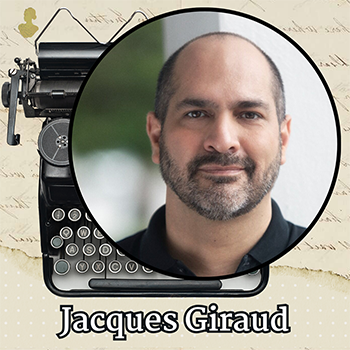
POR JACQUES GIRAUD
Reconocer lo que sentimos, saber cómo nos impacta y cómo impactamos a los demás parece obvio, pero ¿cuántos líderes realmente lo practican? En el trabajo vemos de todo: el jefe que presume de “trabajar bien bajo presión”, cuando, en realidad, lo único que hace es intoxicar a su equipo con su ansiedad; o el gerente que acepta un cargo porque el sueldo era irresistible, para terminar dos años después repitiendo: “Estoy aburrido, esto no era lo mío”.
Recognizing what we feel, understanding how it impacts us and how we impact others may seem obvious, but how many leaders truly practice it? In the workplace we see it all: the boss who prides himself on “working well under pressure,” when in reality all he does is poison his team with anxiety; or the manager who accepts a position because the salary was irresistible, only to end up two years later saying, “I’m bored, this wasn’t for me.”
Un estudio publicado en Journal of Applied Psychology (2022) analizó a más de 3.000 directivos en empresas globales y encontró que los líderes con mayor autoconciencia lograban equipos con un 36% más de compromiso y menor rotación. No es magia: cuando un líder sabe quién es y reconoce el impacto de sus emociones, genera un entorno de confianza.
A study published in the Journal of Applied Psychology (2022) analyzed more than 3,000 executives in global companies and found that leaders with greater self-awareness achieved teams with 36% higher engagement and lower turnover. It’s not magic: when a leader knows who they are and recognizes the impact of their emotions, they create an environment of trust.
Cerramos un ciclo lleno de retos, tensiones y aprendizajes. Y si algo nos deja claro es que el liderazgo del futuro no se medirá únicamente por las cifras que mostramos en un informe, sino por la capacidad de mirarnos dentro y sostenernos en medio de la incertidumbre. La autoconciencia no es un lujo, es la brújula para entrar en un nuevo año con claridad.
We are closing a cycle filled with challenges, tensions, and learning. And if there is one thing it makes clear, it is that the leadership of the future will not be measured solely by the figures we present in a report, but by the ability to look inward and remain grounded amid uncertainty. Self-awareness is not a luxury; it is the compass for entering a new year with clarity.
Así que, antes de diseñar estrategias, marcar objetivos o repartir KPIs, la pregunta que todo líder debería hacerse al inicio de cada año es simple, pero incómoda: ¿estoy liderando desde mis valores o desde mis necesidades personales?
So before designing strategies, setting goals, or assigning KPIs, the question every leader should ask at the beginning of each year is simple, yet uncomfortable: am I leading from my values or from my personal needs?
¿Cuál debería ser el enfoque de los líderes para el próximo año? State of the US Labor Force Report, de Gallup, sugiere cinco aspectos a tomar en cuenta:
What should be the focus of leaders for the coming year? The State of the U.S. Labor Force Report by Gallup suggests five aspects to consider:

1. Bienestar financiero. No se trata solo del salario, sino de cómo la organización apoya la estabilidad económica y la tranquilidad mental de su gente. Ofrecer estructuras salariales justas, programas de educación financiera y beneficios alineados con las distintas etapas de vida, refuerza la sensación de seguridad y pertenencia.
Financial well-being. It’s not just about salary, but about how the organization supports the economic stability and peace of mind of its people. Offering fair pay structures, financial education programs, and benefits aligned with different life stages reinforces a sense of security and belonging.
2. Cultura y seguridad en el lugar de trabajo: Una cultura organizacional saludable es aquella donde las personas se sienten seguras —física, emocional y psicológicamente— para expresarse y trabajar desde su autenticidad. La seguridad no se limita a normas de prevención; incluye la confianza en que los errores no serán castigados, sino aprendidos.
Culture and workplace safety. A healthy organizational culture is one where people feel safe—physically, emotionally, and psychologically—to express themselves and work authentically. Safety is not limited to prevention policies; it also includes the confidence that mistakes will not be punished, but learned from.
3. Oportunidades de crecimiento y desarrollo: Es uno de los motores más poderosos de la motivación humana. Cuando una empresa invierte en el desarrollo de su gente —ya sea a través de formación, mentorías o proyectos desafiantes—, está invirtiendo en su propio futuro.
Growth and development opportunities. One of the most powerful drivers of human motivation. When a company invests in the development of its people—through training, mentoring, or challenging projects—it is investing in its own future.
4. Participación y voz: Dar voz a los colaboradores no es un gesto simbólico, sino una práctica de liderazgo maduro. La participación implica que las personas tengan espacio real para influir en decisiones, proponer mejoras y sentir que su opinión tiene impacto. Escuchar activamente y co-crear soluciones fortalece el compromiso y transforma el liderazgo en una conversación más horizontal y humana.
Participation and voice. Giving employees a voice is not a symbolic gesture, but a practice of mature leadership. Participation means people have real space to influence decisions, propose improvements, and feel that their opinions matter. Actively listening and co-creating solutions strengthens engagement and turns leadership into a more horizontal and human conversation.

5. Estructura de trabajo y autonomía: La autonomía bien estructurada es la nueva forma de liderazgo inteligente. Diseñar estructuras de trabajo flexibles, con objetivos claros, pero espacio para decidir el “cómo”, permite que las personas se autorregulen, gestionen su tiempo y conecten con el propósito de lo que hacen.
Work structure and autonomy. Well-structured autonomy is the new form of smart leadership. Designing flexible work structures with clear objectives, while allowing room to decide the “how,” enables people to self-regulate, manage their time, and connect with the purpose of what they do.
Al final, lo que realmente construirá tu nuevo estilo de liderazgo no será lo que logres afuera, sino la honestidad con la que aprendas a liderarte a ti mismo. Y ese, más que un propósito, es el verdadero regalo de un nuevo comienzo.
In the end, what will truly shape your new leadership style will not be what you achieve externally, but the honesty with which you learn to lead yourself. And that, more than a goal, is the true gift of a new beginning.
* Jacques Giraud es ingeniero, especialista en desarrollo organizacional, master coach y mentor, con más de 28 años de experiencia y más de 400 seminarios impartidos como facilitador de Insight Seminars en más de 15 países. Autor del libro “Super Resiliente”. www.jacquesgiraud.com
Jacques Giraud is an engineer, organizational development specialist, master coach, and mentor with more than 28 years of experience and over 400 seminars delivered as a facilitator of Insight Seminars in more than 15 countries. Author of the book “Super Resilient.” www.jacquesgiraud.com


Comments